Low-Carbon Aluminum Enclosures in Zaragoza 2025

Dic 28, 2025
3 min read
Aluminum Carpentry
Low-Carbon Aluminum Enclosures in Zaragoza 2025
Discover the 2024–2025 innovations in aluminum enclosures: profiles with a lower CO₂ footprint, higher recycled content, and premium finishes without compromising insulation. We explain what to demand from your supplier and how these trends improve comfort, energy efficiency, and your home’s value in Zaragoza.

What does “low carbon” mean in enclosures (and why it matters in Zaragoza)

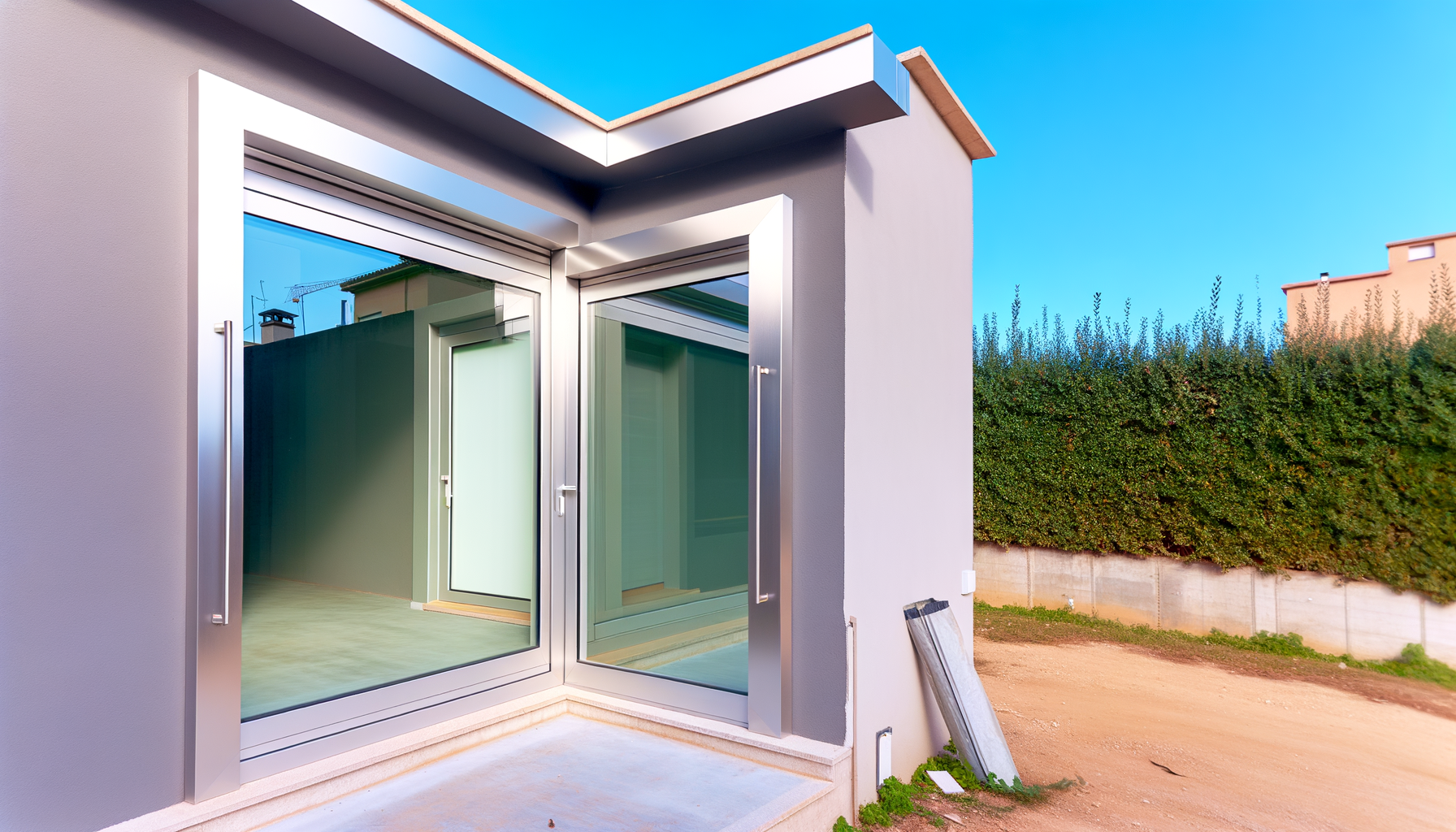
In 2025, there’s a lot of talk about low-carbon aluminum, and no, it’s not just a generic “green” label. In practice, it means the profile and its manufacturing process have generated less CO₂ than standard aluminum, usually by using more recycled material and cleaner energy. And what does that change for you in Zaragoza? Well, if you’re enclosing a terrace in Delicias, a penthouse in Actur, or a balcony in Las Fuentes, it’s increasingly common for you to be asked for (or for it to be in your interest to request) material documentation: Environmental Product Declarations (EPDs), the aluminum’s origin, or recycled-content percentages. It’s not just for show: on jobs involving homeowners’ associations, renovations with subsidies, or simply when you’re comparing quotes, that paperwork helps separate the serious options from the “sounds familiar” ones. Plus, the local climate puts things to the test: the cierzo wind, temperature swings, and strong sun. A well-designed enclosure with the right profiles and glazing keeps you from the classic “air leaks in through the corner” or condensation on cold mornings. And if you also reduce your carbon footprint, it’s better for everyone—without sacrificing performance.
Real-life example: enclosing a terrace without turning it into a fridge (or an oven)

Real-life example: enclosing a terrace without turning it into a fridge (or an oven)

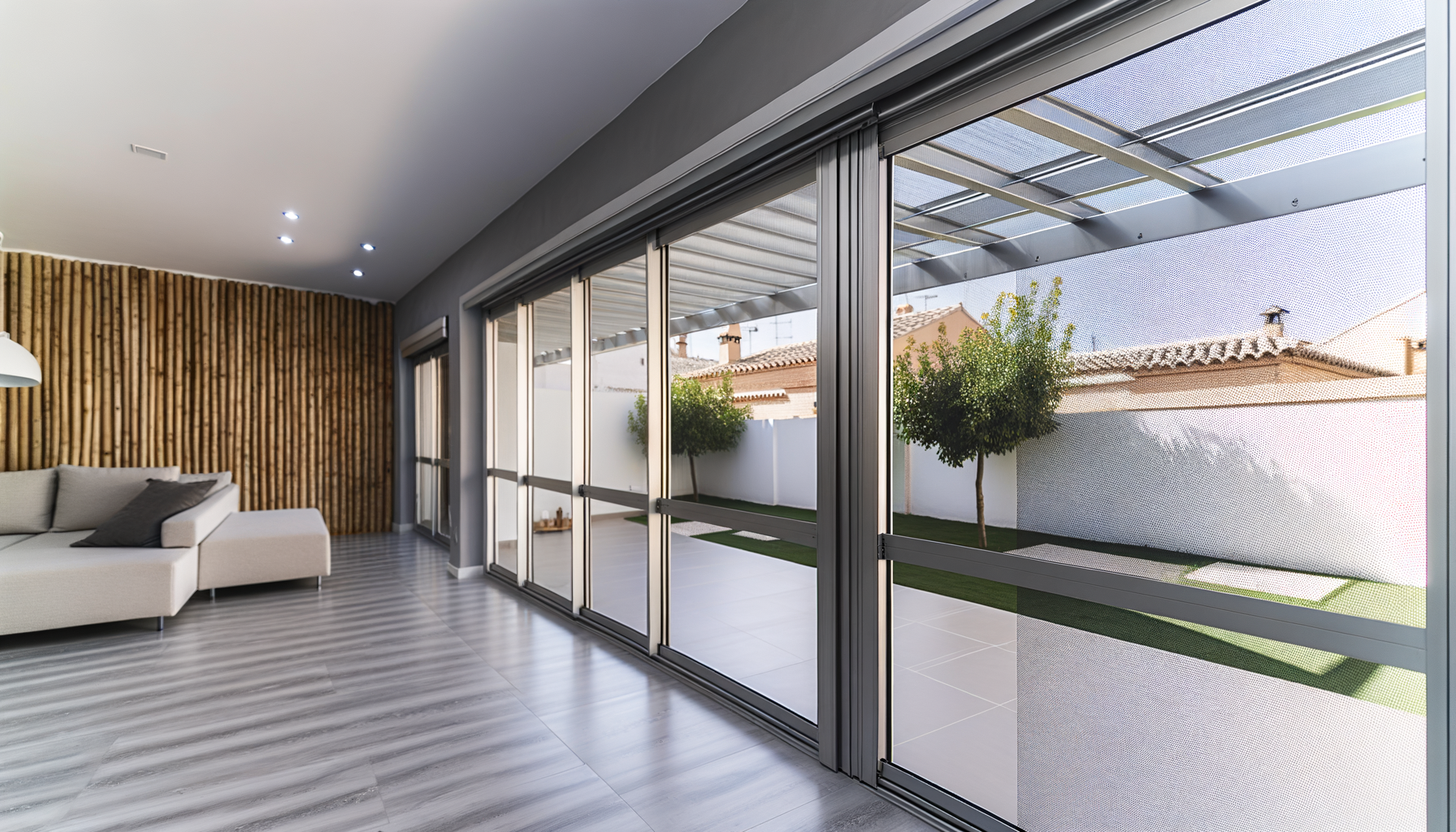
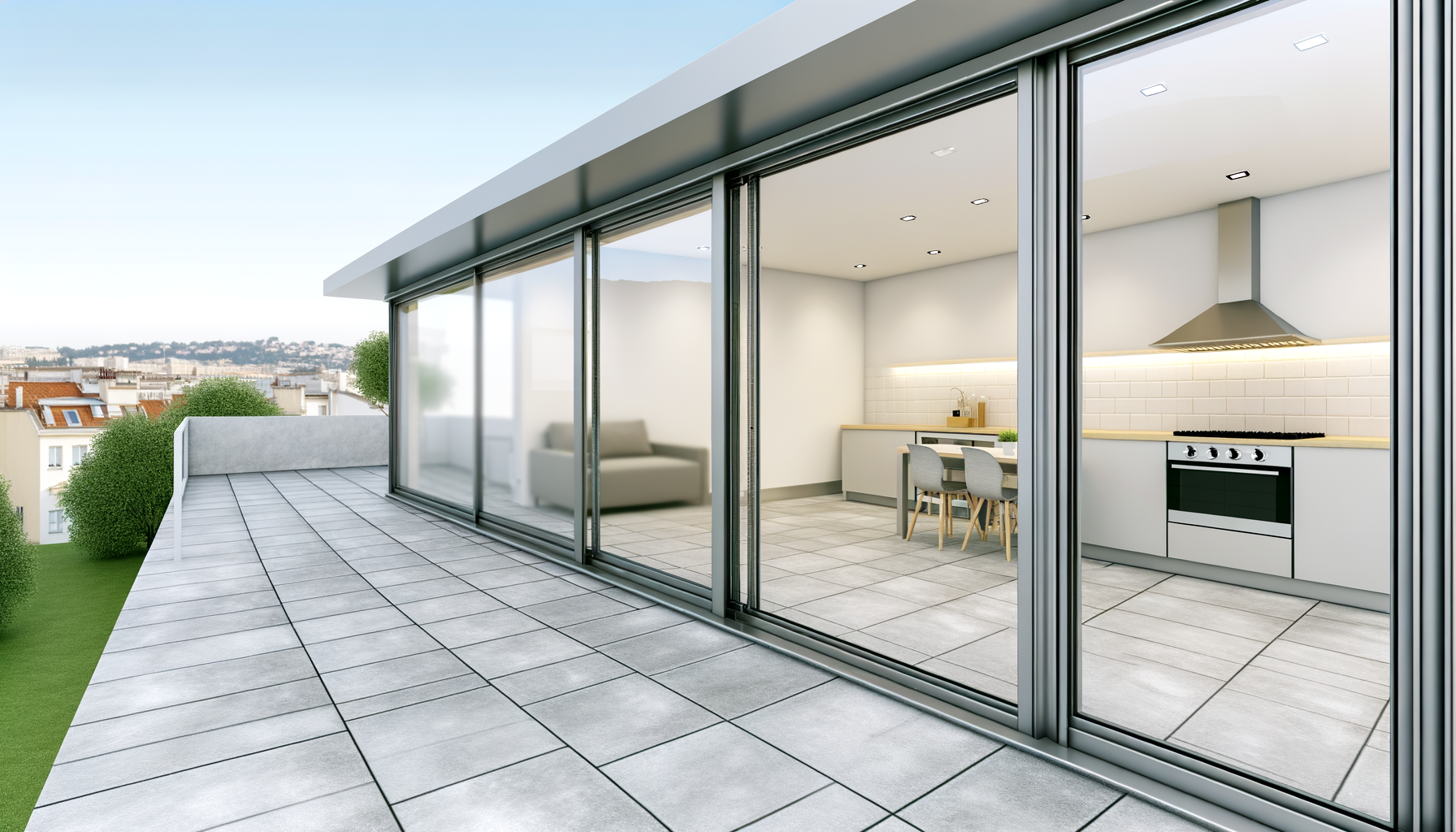
Let me give you a typical scenario: an 8–12 m² terrace, west-facing, and the usual plan: “I want an enclosure so I can use it all year round.” In Zaragoza, if you don’t get it right, in winter it ends up like a fridge because of the cierzo, and in summer like an oven because of the afternoon sun. This is where an enclosure with thermal break makes all the difference (it’s not a “fancy” add-on—it’s what stops the aluminium from acting like a radiator in reverse). If you also choose low-carbon aluminium, you’re reducing impact without giving up the technical side. Where will you notice it? In practical things: less of that cold-wall feeling when you rest your hand on the frame, fewer annoying drafts at the joints, and better stability when there are sudden temperature changes. And be careful with budget “shortcuts”: I’ve seen enclosures where they save on hardware and then you have to push the sliding door with both hands because it rubs, or dust gets in through the track. If you’re going to invest, do it in what you actually use every day: profiles, hardware, and a precise installation. Good sealing and proper leveling are worth more than a thousand promises.

What to ask for in 2025 so you don’t get it wrong: a quick, no-BS checklist

If you’re looking at low-carbon aluminium enclosures in Zaragoza in 2025, do yourself a favor and ask three things before you sign. First: which profile system they’re going to install (brand/series) and what type of thermal break; if they just answer “a good one” and nothing else, that’s a bad sign. Second: the glass. A generic 4/12/4 double-glazed unit is not the same as solar-control glass if you get strong sun; that’s where you decide whether you’ll actually use the enclosure or avoid it. Third: real “low carbon”: ask for an EPD or a supplier data sheet showing the origin and the recycled content. You don’t need to become technical—you just want basic traceability. And on the practical side: ask how they’re going to solve junctions with the shutter box, railing, and drainage. I’ve seen closures that were perfect on paper but then fail because of a poorly thought-out detail, and leaks show up after two storms. Also check ventilation: if you seal it airtight, how will you prevent condensation when cooking or drying clothes indoors? A comfortable enclosure is one that doesn’t force you to “live on alert” to open, dry, or readjust it every month.

Need professional advice?

Our team of experts is ready to help you with your aluminum carpentry project.