
Tilt-and-Turn Aluminium Windows in Seville 2025
Discover the latest 2024–2025 innovations in tilt-and-turn aluminium windows: higher-insulation profiles, upgraded hard…
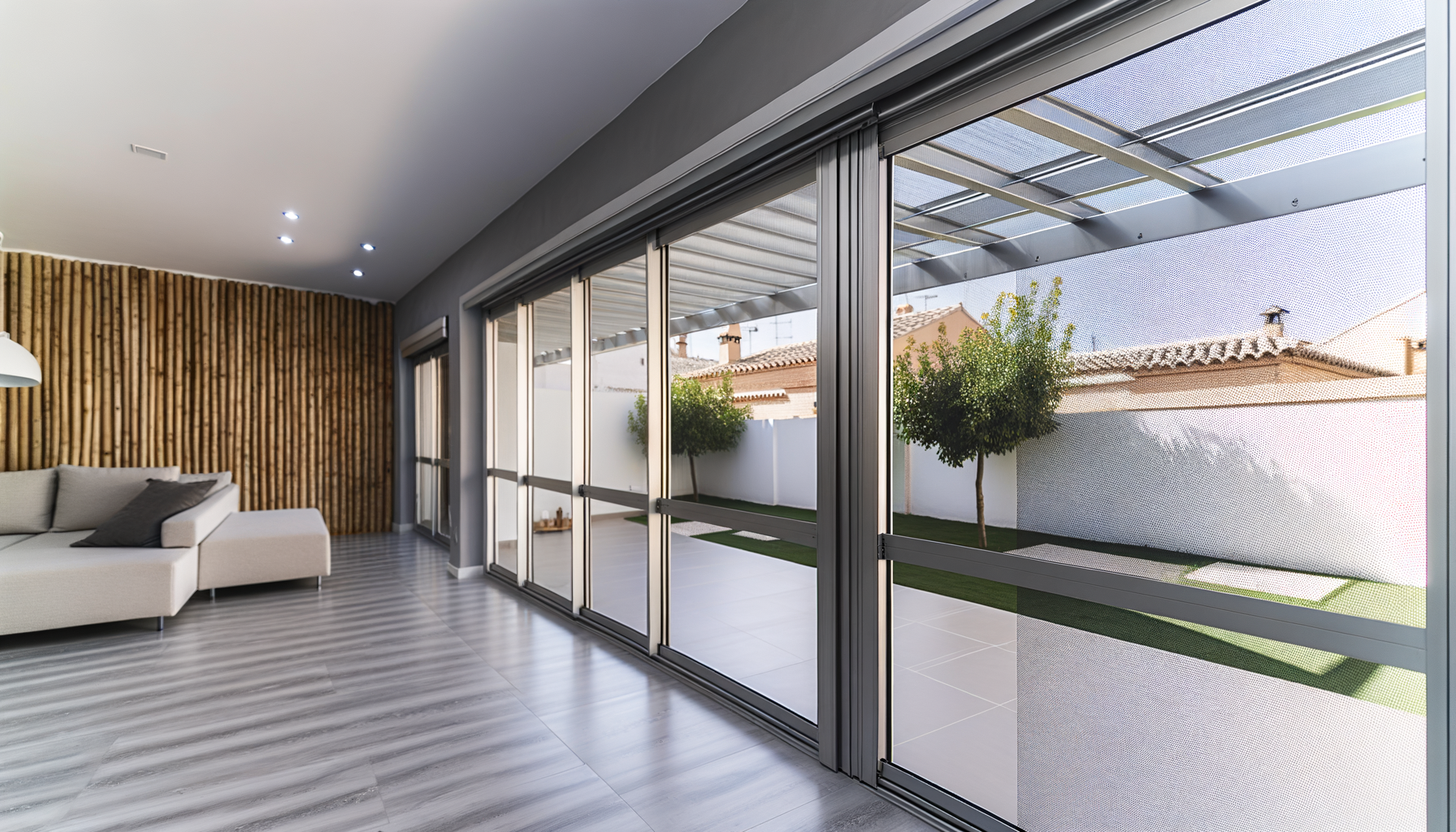
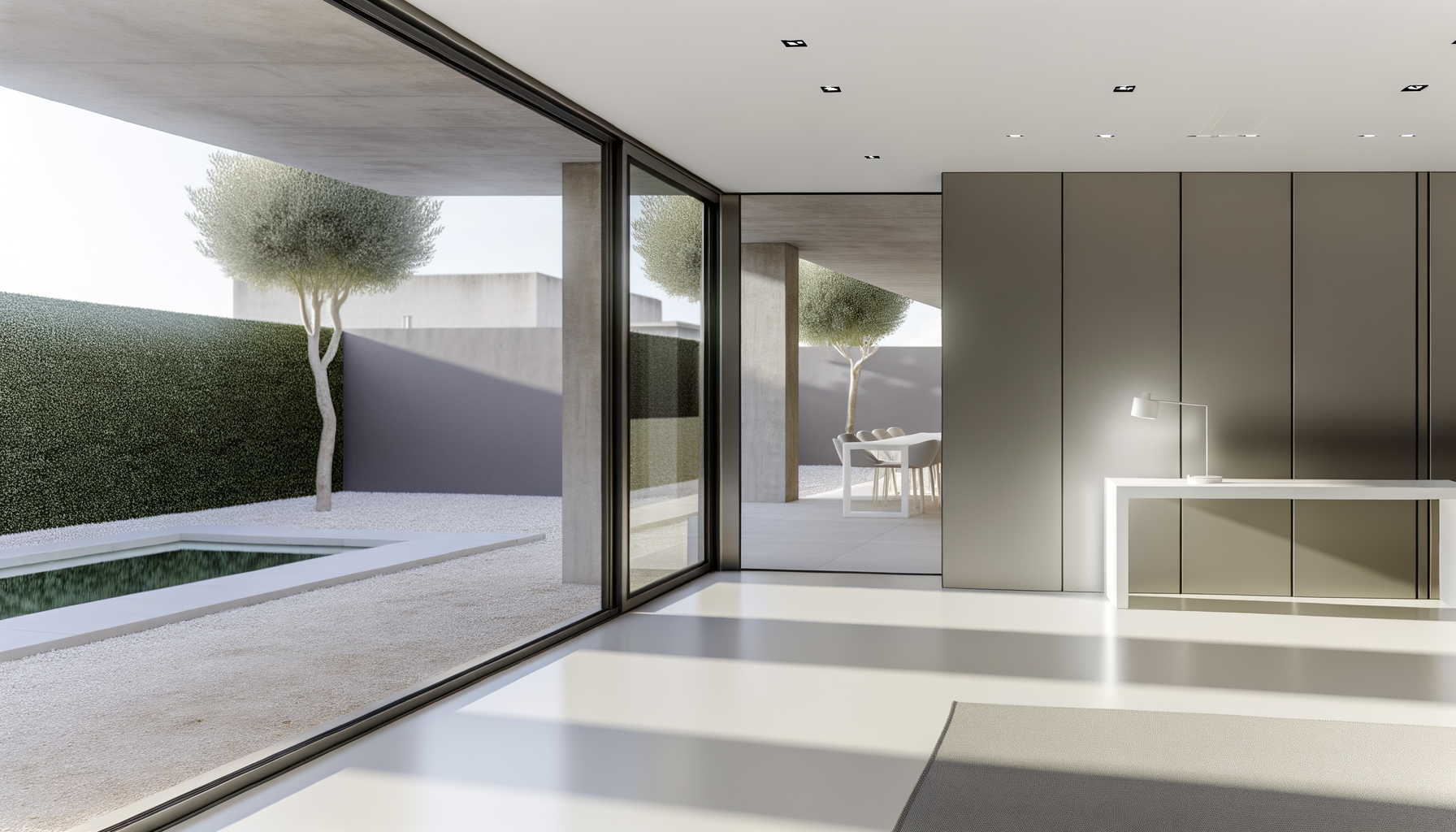
If you live in Valencia, you already know the usual story: a flat with a small terrace, a tight living room, and the hinged door that always ends up banging into a chair. That’s where an aluminum sliding door makes perfect sense: it doesn’t take up space when it opens and it keeps the area “clear” for walking through, setting down a table, or simply not having to dodge door leaves. Plus, when you’re airing the place out in the in-between season (March–April, or those odd days in October), a sliding door gives you a more comfortable option: open it a little and fresh air comes in without turning the living room into a hallway. Of course, it’s not just about “it sliding”: pay attention to the latch. A good system means you don’t have to slam it for it to catch, and you notice that every day. And if you have kids or pets, the detail of the panel not coming back at you because of a draft matters too. In short: it makes life easier in real homes, not in catalog photos.
Alright, you want a sliding door/window… but which one? The key here isn’t the model name, but three practical things. First, the profile: look for a thermal break if it gets full sun or if you notice that typical “cold glass” in winter; Valencia isn’t Burgos, but you can feel the comfort difference (and so can your air conditioning bill). Second, the glass: on a noisy façade (avenue, traffic, bars), double glazing with acoustic control changes the whole experience; it’s not magic, but it does cut down that constant hum drilling into your head when you’re trying to watch a series. Third, the track: ask whether it’s easy to clean or whether it has guides that trap sand and dust. I’m telling you from experience: in areas near the coast, between salt spray and grime, a poorly designed track becomes “gritty” in no time. If, when you try it in the shop, it doesn’t glide smoothly with one finger, it’ll be worse at home.
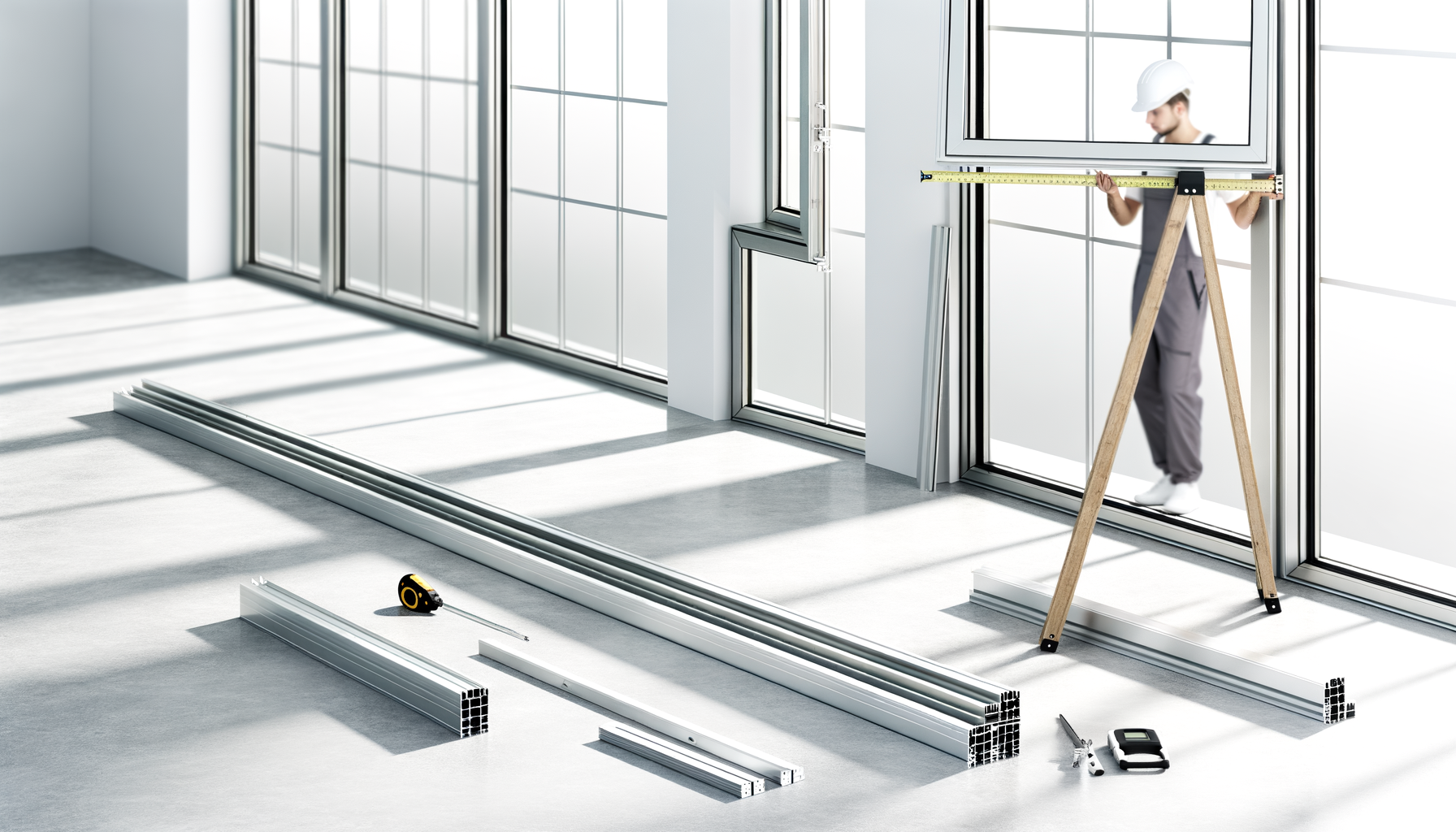
Most problems don’t come from the aluminum; they come from the installation. Real example: a door that starts “rubbing” a month after it was installed because the opening was out of plumb and nobody corrected it. That’s why, before you decide, make sure they measure properly and explain how they’re going to finish it off. One important point: the junction with the floor. If you want a comfortable step out to the terrace (without tripping every time), ask for a low threshold or a flush solution—but have them tell you how they’ll ensure watertightness when it rains hard. And speaking of rain: check that there are weep holes in the frame and that they won’t be “blocked” by the building work; it seems like a minor detail until water gets in during a summer storm. Also look at the handles: if the door opens onto a narrow passage, a handle that sticks out too much becomes a daily bump. Practical tip: before you sign, ask to see one installed and open/close it yourself ten times; that’s where you’ll notice the details.
Our team of experts is ready to help you with your aluminum carpentry project.