Aluminum Railings in Alicante: Buying and Maintenance Guide

Ene 23, 2026
3 min read
Aluminum Carpentry
Aluminum Railings in Alicante: Buying and Maintenance Guide
A practical guide to choosing aluminum railings (models, finishes, and fixing systems) and getting the installation right. Includes cleaning tips, how to prevent corrosion and looseness, a comparison of options for outdoor and indoor use, and answers to common questions about regulations and safety.

Before you buy: measure up, think about how you’ll use it, and don’t gamble on “cheap”

If you’re looking at aluminium railings in Alicante, the first thing is to think about where they’re going and how you’re going to use them. A terrace you only step out onto to hang laundry isn’t the same as a balcony where the kids lean out or where half the family gathers in summer. In a residential complex near San Juan I saw a typical case: they bought a “standard” railing online without paying attention to the anchoring… and with the salty wind and a couple of people leaning on it, it already started to creak. Friendly advice: measure properly (span between pillars, actual height, whether there’s a slope) and decide whether you want it with balusters, with glass, or slatted for more privacy. And the finish? If you’re close to the sea, a decent powder coating shows within a few months: fewer little stains, fewer pits, fewer “surprises”. And watch this: a railing is safety, not decoration. Ask about the fixing system (chemical anchors, plates, stainless hardware) and about the real maintenance, not the “you don’t need to do anything” line that ends up costing you.

Practical things you notice day to day (and nobody tells you)

Alright, you’ve got the design clear. Now think about everyday use: will it get dirty easily?, will you feel too lazy to clean it?, does it rub against a blind or a sliding door? In Elche, in a flat with a narrow balcony, they installed a railing with a handrail that was too wide and every time they opened the door, it hit it! Result: knocks, chipped paint, and frustration. That’s why, when space is tight, choose slimmer profiles and a handrail that doesn’t stick out. Another practical point: if you have pets, it’s better to avoid gaps where they can stick their head; if you have kids, watch out for “climbable” designs (horizontal slats like a ladder). And if you want privacy without turning the balcony into a cave, a combination of aluminium with an opaque mid-height panel works great: air gets through, but the neighbours opposite can’t see you. Ask for colour samples and look at them at different times of day; the same grey looks different in midday sun than at sunset. What makes your life easier is what you’ll appreciate most, not what looks good in a photo.

Care and cleaning: 10 well-spent minutes are worth more than “scrubbing like crazy”

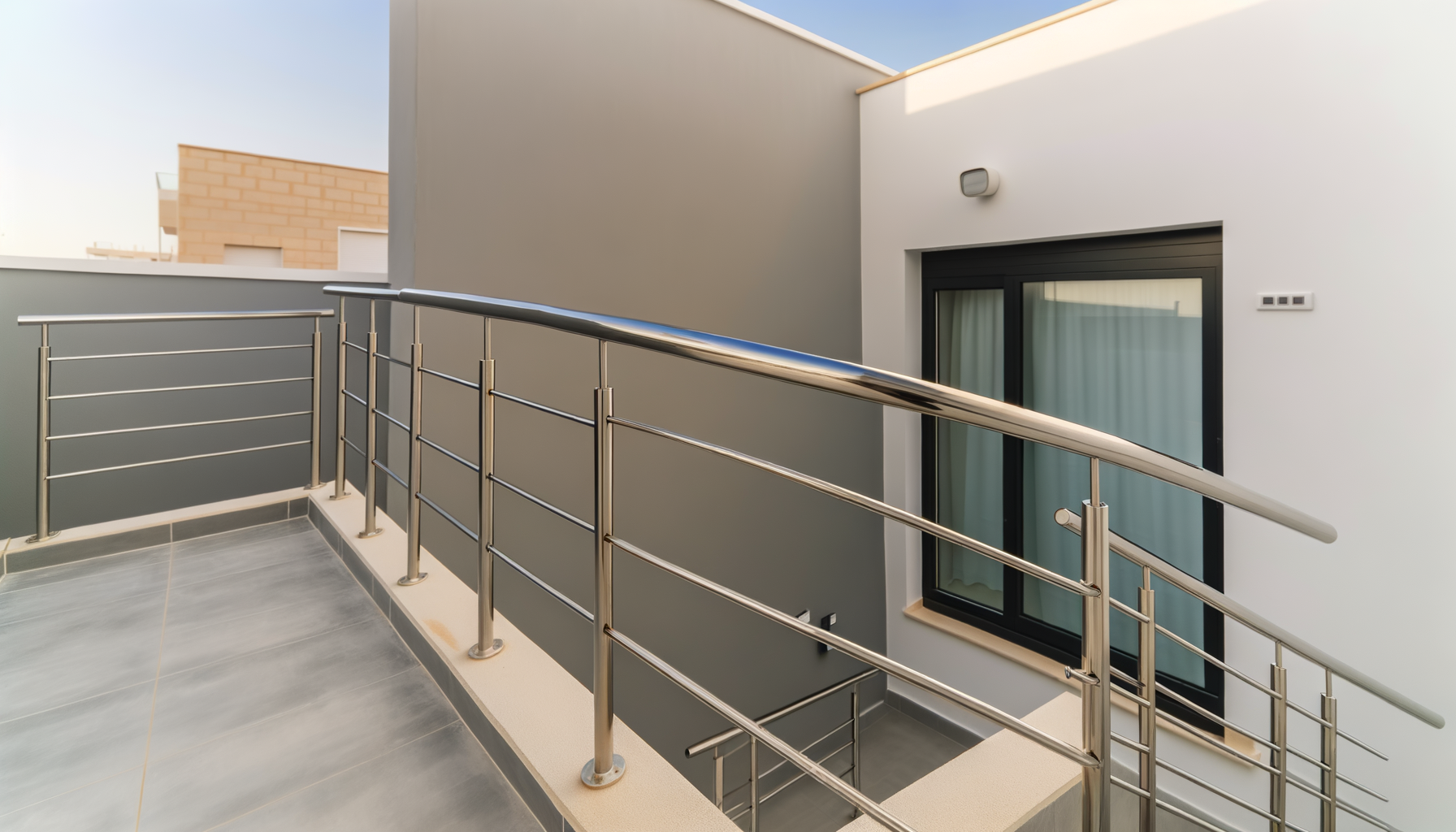
Aluminium can take a lot, yes, but in Alicante the combo of dust, humidity and salt (if you’re near the coast) takes its toll if you leave it untouched for years. The routine that works is simple: warm water + pH-neutral soap with a soft sponge, and rinse thoroughly. How often? If you live near the sea, a light clean once a month prevents salt from sticking; inland or in less exposed areas, you’re fine doing it with each change of season. What I would NOT do: green scouring pads, strong bleach, or abrasive “miracle” products, because they end up ruining the lacquer and then weird marks show up. For specific spots (hand grease on the handrail, for example), a microfiber cloth and a little soap is usually enough. And check screws and seals once a year: if you see any looseness, tighten or replace the part before it starts wobbling. Stainless hardware and the anchor points are the ones that suffer most over time, especially with vibrations. If something moves, don’t ignore it: a railing shouldn’t “have play”, not even a little.

Need professional advice?

Our team of experts is ready to help you with your aluminum carpentry project.